Spotting Inflated Supplement Marketing Narratives
While researching this product, we found third-party content describing an elaborate ten-ingredient formula and a specific scientific theory not reflected on the product's own packaging.
Understanding why this happens, and how to spot it, helps you verify what a product actually contains before you order.
What we found
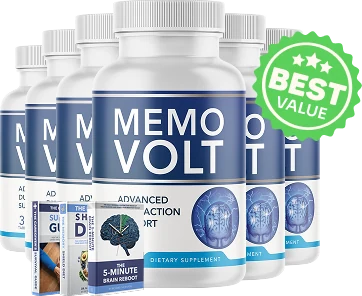
MemoVolt's own product packaging shows a four-ingredient formula: Citrus Extract, Bacopa Monnieri, Ginkgo Biloba and Cinnamon Extract. A third-party content page, however, described an elaborate ten-ingredient formula built around a specific “microplastic defense” theory, complete with named exotic compounds and citations to specific university studies we could not independently verify.
Why this happens
Some websites that review trending online products use templated content structures designed to sound authoritative — complete with elaborate scientific-sounding narratives, specific customer counts, and named university research — that are not necessarily verified against the actual product being described. This pattern is common when a review site covers hundreds of unrelated product categories rather than specializing in health research.
How to verify what you are actually buying
What this means for your decision
An inflated marketing narrative does not necessarily mean a product itself is illegitimate — it more often reflects aggressive or templated content marketing. But it does mean you should verify ingredient and mechanism claims against the actual product rather than any single review site.
Applying this to MemoVolt
See what MemoVolt is for how we handled this specific discrepancy, or our complete review for the full picture.